
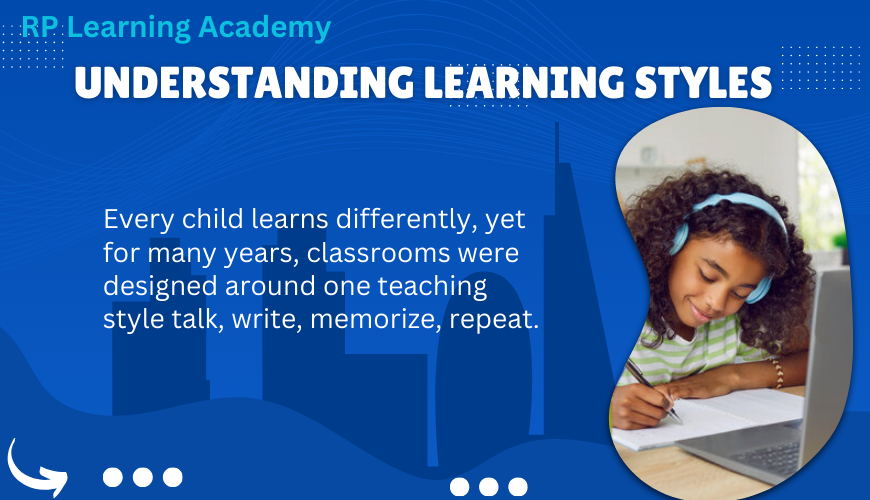
Every child learns differently, yet for many years, classrooms were designed around one teaching style talk, write, memorize, repeat. Today, educators are beginning to understand that learning is not one-size-fits-all. Some learners are auditory learners. They understand best when they hear information explained. These students thrive in discussions, storytelling, songs, and verbal instructions. A child like Kwame may struggle with written tasks but can explain concepts clearly when speaking.
Others are visual learners. They need to see information to understand it. Charts, diagrams, videos, color coding, and written examples make learning clearer for them. A student like Gladys may suddenly “get it” once a concept is drawn out visually. Then there are kinesthetic learners. These students learn by doing. Sitting still for long periods is difficult for them. They need movement, hands-on activities, role-play, experiments, and physical engagement. Without these strategies, they are often misunderstood as disruptive or inattentive.
Understanding learning styles helps educators and parents support children more effectively. It reduces frustration, builds confidence, and improves academic outcomes. It also helps children understand themselves, empowering them to take ownership of their learning.
Effective strategies include:
• Mixing visual, audio, and hands-on activities in lessons
• Allowing movement breaks
• Using real-life examples
• Encouraging discussion and reflection
• Providing flexible assessment methods
When learning strategies match learning styles, children stop feeling “not smart enough” and start realizing they simply learn differently.

2 comments
Israel Awuah
I am a visual learner
Nana kofi
When teachers know their student it makes it easy to develop strategies to help their learning