
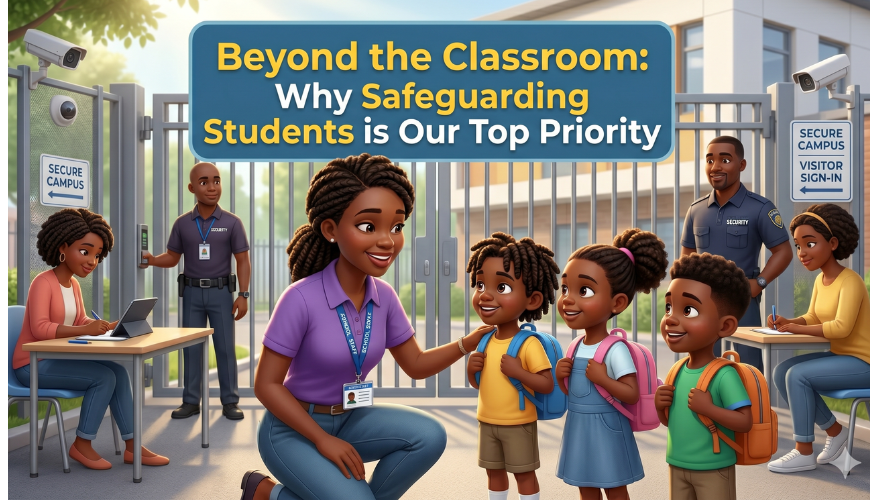
When many people think about school, the first things that come to mind are academics reading, writing, mathematics, science, examinations, and achievement. While education is certainly important, the true foundation of every successful school goes far beyond textbooks and test scores. At the heart of every thriving learning environment is one essential priority: safeguarding students. Before children can learn effectively, they must first feel safe, valued, protected, and supported. Safeguarding ensures that every child has the opportunity to grow in an environment where their physical, emotional, and psychological well-being is taken seriously.
What is Safeguarding?
Safeguarding is the responsibility of protecting children and young people from harm, abuse, neglect, bullying, exploitation, and any situation that may affect their safety or well-being. It is not limited to emergencies or discipline. Instead, safeguarding is a daily commitment to creating secure spaces where children can learn, develop confidence, and thrive. Safeguarding is not a single action it is a culture.
A Safe Physical Environment: This is the baseline. It means secure premises, safe equipment, and strict visitor policies to ensure that only authorized individuals are on campus.
Emotional and Mental Health Support: Safeguarding means creating a culture where students feel heard and respected. It involves having trained counselors, anti-bullying initiatives, and an open-door policy where students feel safe reporting concerns without fear of judgment.
Digital Citizenship and Online Safety: In today's digital age, safeguarding extends to the internet. It involves filtering harmful content on school networks and, more importantly, teaching students how to navigate the digital world safely, recognize cyberbullying, and protect their privacy.
Staff Training and Vigilance: Every single staff member—from teachers to administrators to custodial staff—must be trained to recognize the signs of abuse, neglect, or distress. Safeguarding is a collective responsibility.
Safeguarding isn't just a policy document collecting dust on a shelf; it is a living, breathing culture. It requires a strong partnership between the school, parents, and the wider community. When students know they are protected and cared for, their anxiety drops, their confidence rises, and they are finally free to do what they came to do: learn.

0 comments